Conference Wrap-Up: Ports-to-Plains Builds Momentum for Future I-27
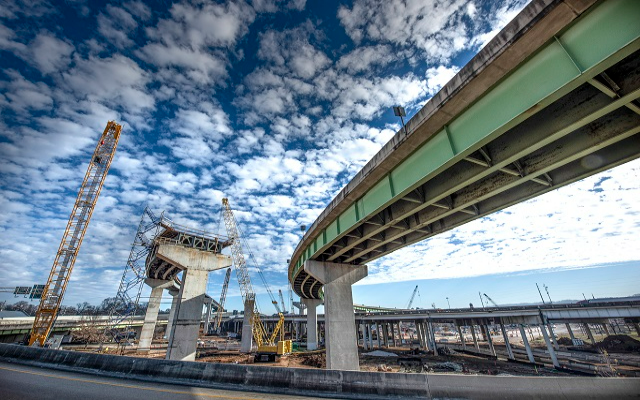
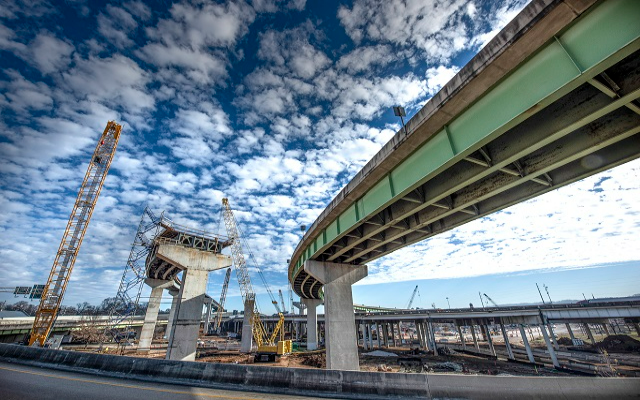
With the congressional designation of Future Interstate 27 in place in Texas and New Mexico, and the Alliance’s efforts to extend the I-27 designation north to Canada, transportation, government and industry leaders meeting at the 2026 Ports-to-Plains Alliance Annual Conference turned their attention to the next challenge: advancing transportation infrastructure and connectivity along the corridor from Mexico through the Great Plains to Canada.
The Sept. 8–10 conference in Del Rio, Texas, and Ciudad Acuña, Coahuila, brought together leaders from the United States, Mexico and Canada to examine the funding, planning, project development, technology, security and infrastructure investments needed to move Future I-27 from designation to delivery.
“As we move from designation to delivery, our focus is on turning decades of planning and advocacy into real infrastructure investment that strengthens communities, supports international commerce, and builds a safer, more efficient Future Interstate system,” Ports-to-Plains Alliance President and CEO Lauren Garduño said.
The conference came as work continues across the corridor to advance Future I-27 through planning, project development and construction. Speakers emphasized that progress will depend on coordinated federal, state and local investment and continued development of individual corridor projects.
At the federal level, one of the Alliance’s priorities is establishment of dedicated and predictable funding for Congressionally Authorized Future Interstates.
Jennifer Shepard, managing director and senior policy advisor with Hance Scarborough LLP, told conference participants that the next federal transportation authorization bill represents an important opportunity.
“Leadership and support from the P2P Coalition and member organizations is critical to securing dedicated and predictable federal funding for development and construction of Congressionally Authorized Future Interstates (CAFI) in the next federal transportation authorization bill that Congress is developing,” Shepard said. “This bill is the best opportunity in thirty years to re-establish dedicated federal funding to invest in the next generation of the nation’s interstate system.”
The Alliance is encouraging communities and organizations along the corridor to adopt resolutions supporting the CAFI proposal for dedicated federal formula funding for Congressionally Authorized Future Interstates. A sample resolution and additional information are available on the Ports-to-Plains Alliance website.
Conference sessions examined how individual projects move from corridor-level planning toward implementation. TxDOT representatives discussed Future I-27 planning, port access and the Border Master Plan, while other presentations addressed border security and emergency response, technology-driven corridors, cross-border trade infrastructure and the role of state and local partners in advancing the system.
Together, those discussions reinforced a central conference message: Future I-27 and the broader corridor will advance incrementally through coordinated planning, funding and construction across multiple states and jurisdictions.
The conference also strengthened the corridor’s binational focus. Meetings in Ciudad Acuña brought U.S. and Mexican leaders together around transportation, trade and economic development, including the signing of a memorandum of understanding by 20 Coahuila municipalities to advance the Ciudad Acuña–Torreón Multimodal Highway Corridor.
The Alliance also highlighted its “57 to 27” strategy connecting Mexico Highway 57 and Future I-27 as part of a secure, redundant and economically important transportation network linking Mexico, the United States and Canada.
The discussions in Acuña and Del Rio demonstrated the increasingly interconnected roles of border infrastructure, interstate development and international trade in the future of the corridor.
For the Ports-to-Plains Alliance, work following the conference will continue on several fronts: advancing federal funding for Future Interstates, supporting state and local planning and project development, strengthening port and border connections, and maintaining coordination among communities and partners throughout the nine-state corridor.
The Alliance will continue that work at its 2027 Annual Conference, Sept. 28–30, in Williston, North Dakota. Plans announced during the Del Rio conference include a trip to Medora and the new Theodore Roosevelt Presidential Library as part of the conference experience.
The 2026 conference theme, “Building the Future Interstate: Bridging from Designation to Delivery,” reflected a transition already underway. In Texas and New Mexico, congressional designation has established the framework for Future I-27, with the focus now shifting toward the planning, funding and projects needed for implementation. Across the broader corridor, the Alliance and its partners continue working to strengthen transportation connections linking communities and commerce across North America.
About the Ports-to-Plains Alliance
The Ports-to-Plains Alliance is a grassroots, nonprofit coalition of communities, businesses and advocates working to expand and improve transportation infrastructure from Texas through the Great Plains and ultimately to Canada and Mexico. Its mission is to promote development of a modern, efficient and safe interstate highway corridor that supports economic growth, agriculture, energy, tourism, supply chains and international trade.